- Aim for about 30 g of protein at each of your three meals.
- A normal plate of chicken rice has 19 g, and double meat takes it to 31 g.
- Starting with breakfast makes the rest of the day easy.
We aim for 30 g at each meal for a reason
Your muscle rebuilds itself in bursts after you eat. Scientists call this muscle protein synthesis, which is the body making new muscle protein from the protein in your food. Each meal sets off one burst, and how big it gets depends on how much protein the meal carries.
A team at the University of Texas Medical Branch fed eight healthy adults, aged 25 to 55, the same amount of protein a day, about 90 g, for a week at a time. One week it was spread evenly, about 30 g at each meal. The other week most of it came at dinner: about 11 g at breakfast, 16 g at lunch and 63 g at dinner. With the even spread, their muscle made about 25% more new protein over 24 hours, and the gap was still there after seven days.1 It was a small, short study, and it measured the rebuilding, not the size of the muscle.
The amount a meal needs also grows as we get older. When researchers pooled their own lab results, older men, around 71, needed about 0.40 g of protein per kilogram of body weight in a meal to get the most out of it, against about 0.24 g per kilogram for men around 22.2 For someone who weighs 75 kg, 0.40 g per kilogram is 30 g.
Think of 30 g as a floor, not a ceiling. A 2023 study at Maastricht University gave people 100 g of protein in one go after exercise, and their muscle kept building for more than 12 hours, longer and more than with 25 g.3 A big protein meal is not wasted. The point of 30 g a meal is that every meal does its share.
Some everyday plates fall well short of 30 g
These are plates we order every week, with the protein worked out from Singapore's Health Promotion Board food database.4
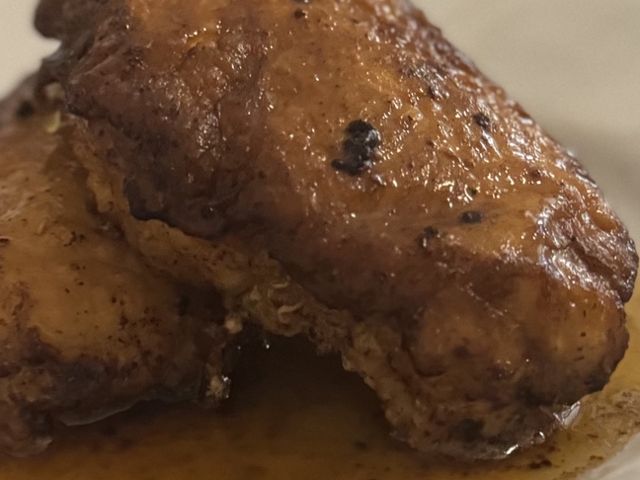
110 g of cooked chicken breast gives you 30 g, which is about one breast.
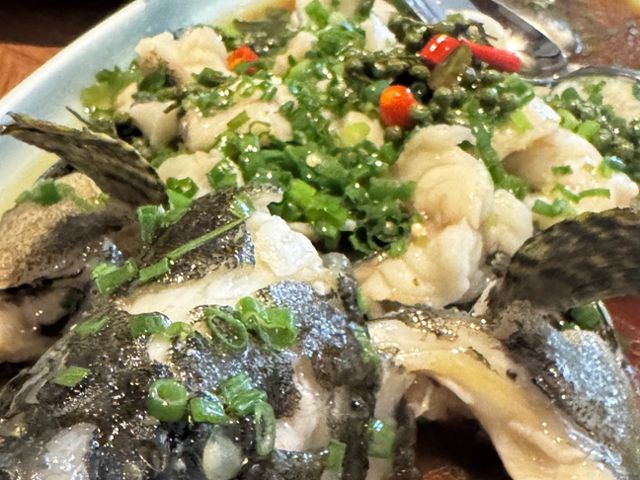
One palm-sized piece is 21 g, so one and a half pieces gets you to 30 g.
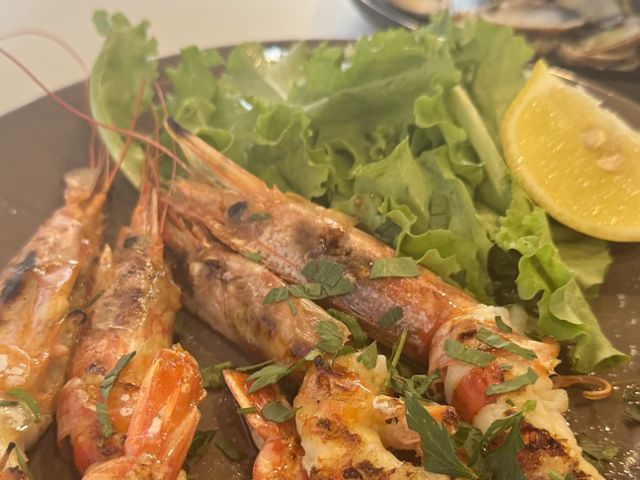
Four large prawns give you 17 g, so order seven to reach 30 g.
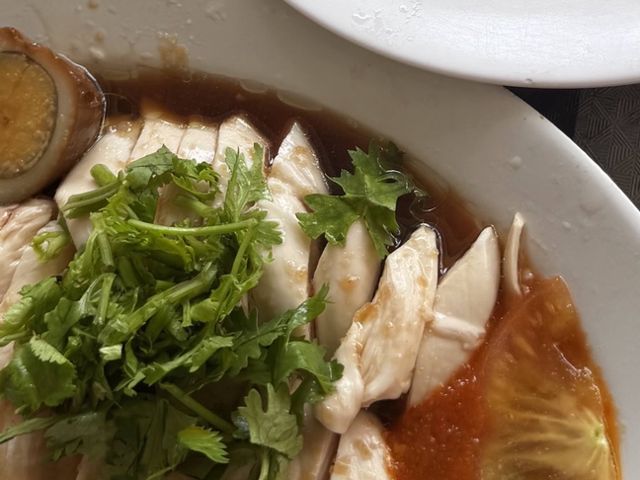
A normal plate has only 19 g, and asking for double meat takes it to 31 g.
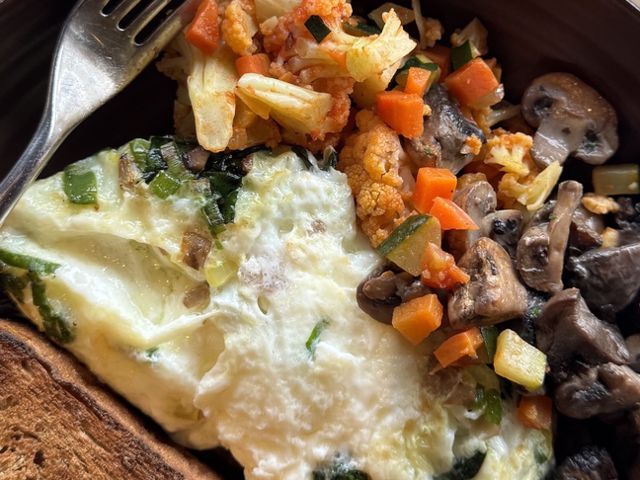
Four egg whites and a slice of wholemeal toast give you 22 g, so add a shake to finish the job.
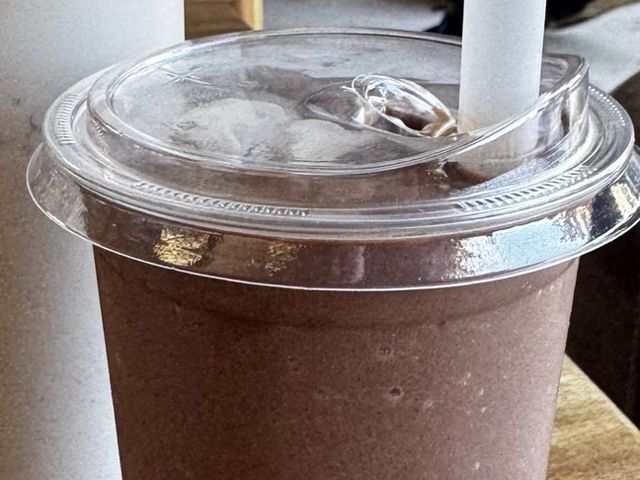
One and a half scoops is about 38 g, but check the tub because every powder is different.
Chicken breast, fish and prawns get you there with an ordinary portion. Chicken rice is the one that surprises most people, because the rice carries 7 g of the 19 and the chicken only 12.
Breakfast is the easiest place to start
Two soft-boiled eggs and a protein shake give you 38 g before you leave the house.5 Add 30 g at lunch and 30 g at dinner and you are at about 100 g for the day, with the hardest part done by 9am.
Thirty grams a meal is the simple answer to how much protein per meal
Every meal sets off its own round of muscle building, so the protein you eat works best spread across the day. Hit around 30 g at breakfast, lunch and dinner and you are more or less covered for the day. Eighty Thirty works out your daily protein and keeps count for you, so hitting 30 g a meal becomes second nature. Start with our free macro calculator.
- Mamerow MM, Mettler JA, English KL, et al. Dietary protein distribution positively influences 24-h muscle protein synthesis in healthy adults. Journal of Nutrition, 2014;144(6):876–880. doi.org/10.3945/jn.113.185280
- Moore DR, et al. Protein ingestion to stimulate myofibrillar protein synthesis requires greater relative protein intakes in healthy older versus younger men. Journals of Gerontology: Series A, 2015;70(1):57–62. doi.org/10.1093/gerona/glu103
- Trommelen J, van Lieshout GAA, Nyakayiru J, et al. The anabolic response to protein ingestion during recovery from exercise has no upper limit in magnitude and duration in vivo in humans. Cell Reports Medicine, 2023;4(12):101324. doi.org/10.1016/j.xcrm.2023.101324
- Health Promotion Board, Singapore. SG FoodID: roasted chicken breast, steamed grouper, cooked king prawn, steamed chicken rice, egg white, wholemeal bread.
- USDA FoodData Central: whole egg; a typical protein shake serving.